PickaJef
Experience Ultimate Court Performance With PickaJef Pickleball Paddles For Beginners
Looking For Enhanced Spin Technology With T700 Carbon Fiber?
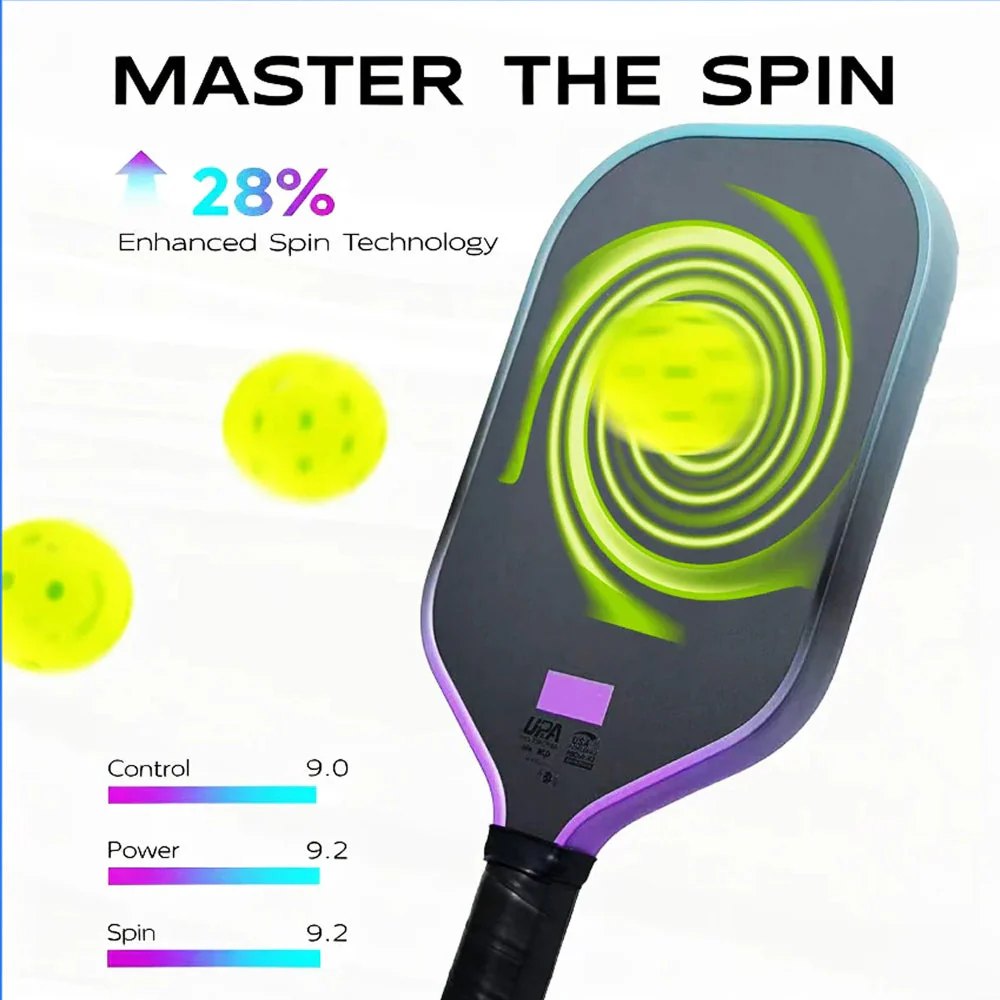
PickaJef Pickleball Paddles features T700 raw carbon fiber face delivering superior ball contact—durable micro-sanded texture fine-sanded finish increases grip ball extending spin longevity versus smooth surfaces losing effectiveness quickly—while enhanced spin technology provides +28% improvement over standard paddles enabling aggressive topspin drops dinking precision, and quadruple-weave texture increases spin while providing effective grip ball control critical placement shots, construction engineered core-to-grip precision performance balancing power control spin rated 9.0-9.2/10 professional metrics exceeding beginner-intermediate expectations.
Wanting 16mm Honeycomb Core With Dual EVA Cushion Grip?
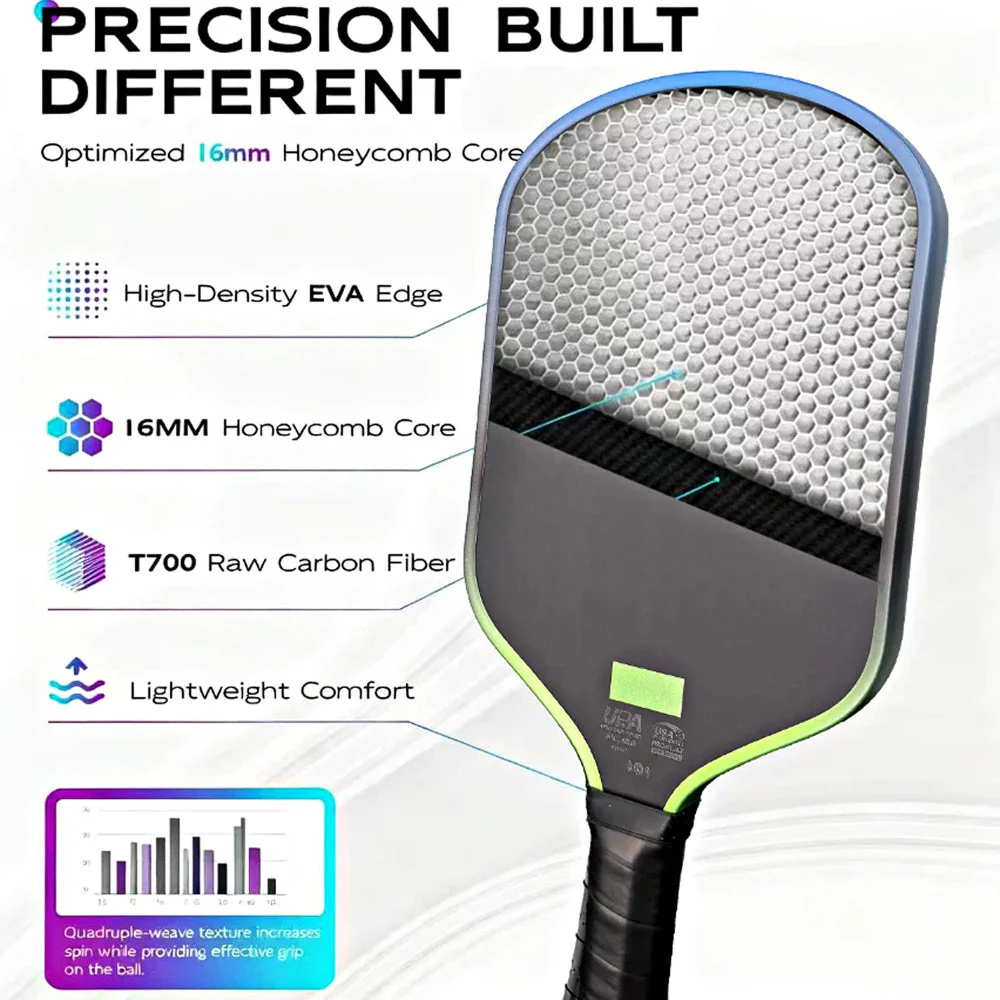
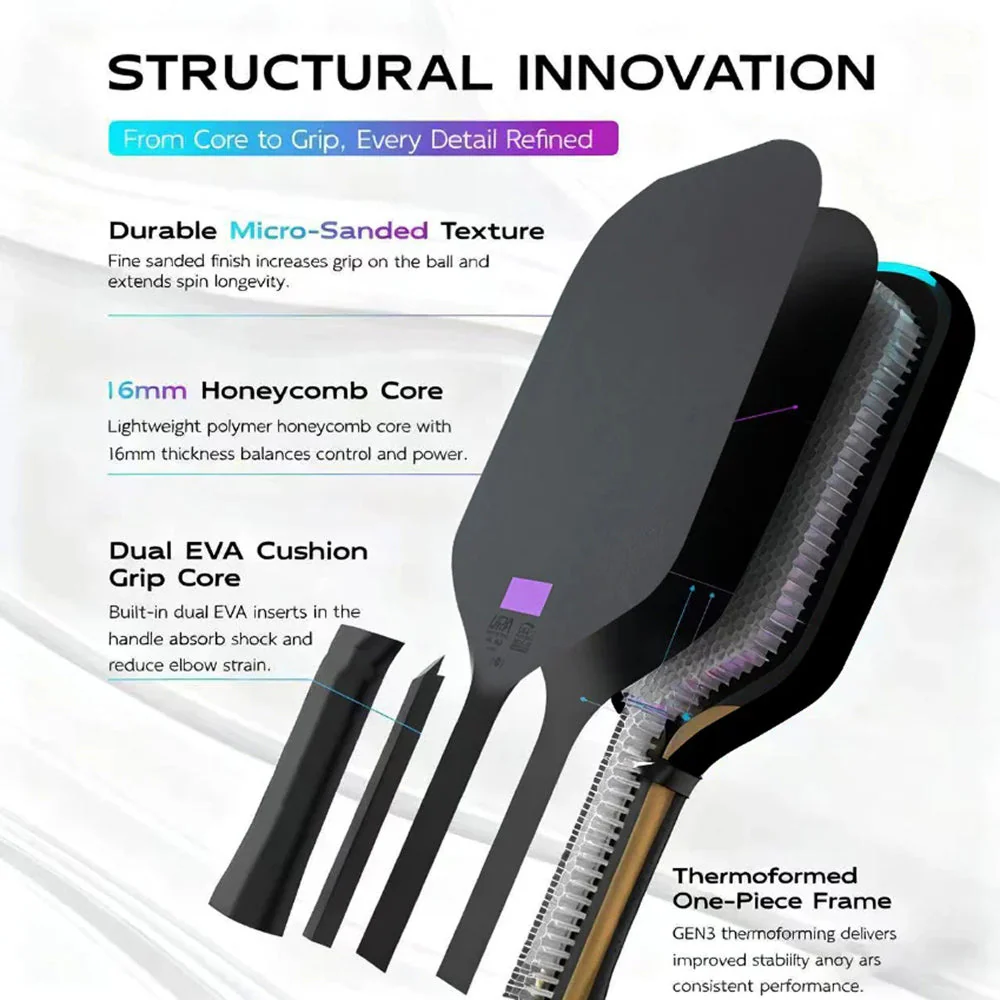
PickaJef Paddle equipped 16mm honeycomb core—lightweight polymer construction balances control and power providing soft responsive feel versus thin cores prioritizing power sacrificing touch—while dual EVA cushion grip core features built-in dual EVA inserts absorbing shock reducing elbow strain (tennis elbow, golfer's elbow common pickleball injuries repetitive impact), and GEN3 thermoformed one-piece frame delivers improved stability consistent performance eliminating dead-spots edge-hits common cheaper paddles multi-piece construction, high-density EVA edge guard durability protection extends paddle lifespan resisting chips cracks accidental ground-hits net-contacts.
Seeking USAPA Approval With 4 Gradient Color Options?
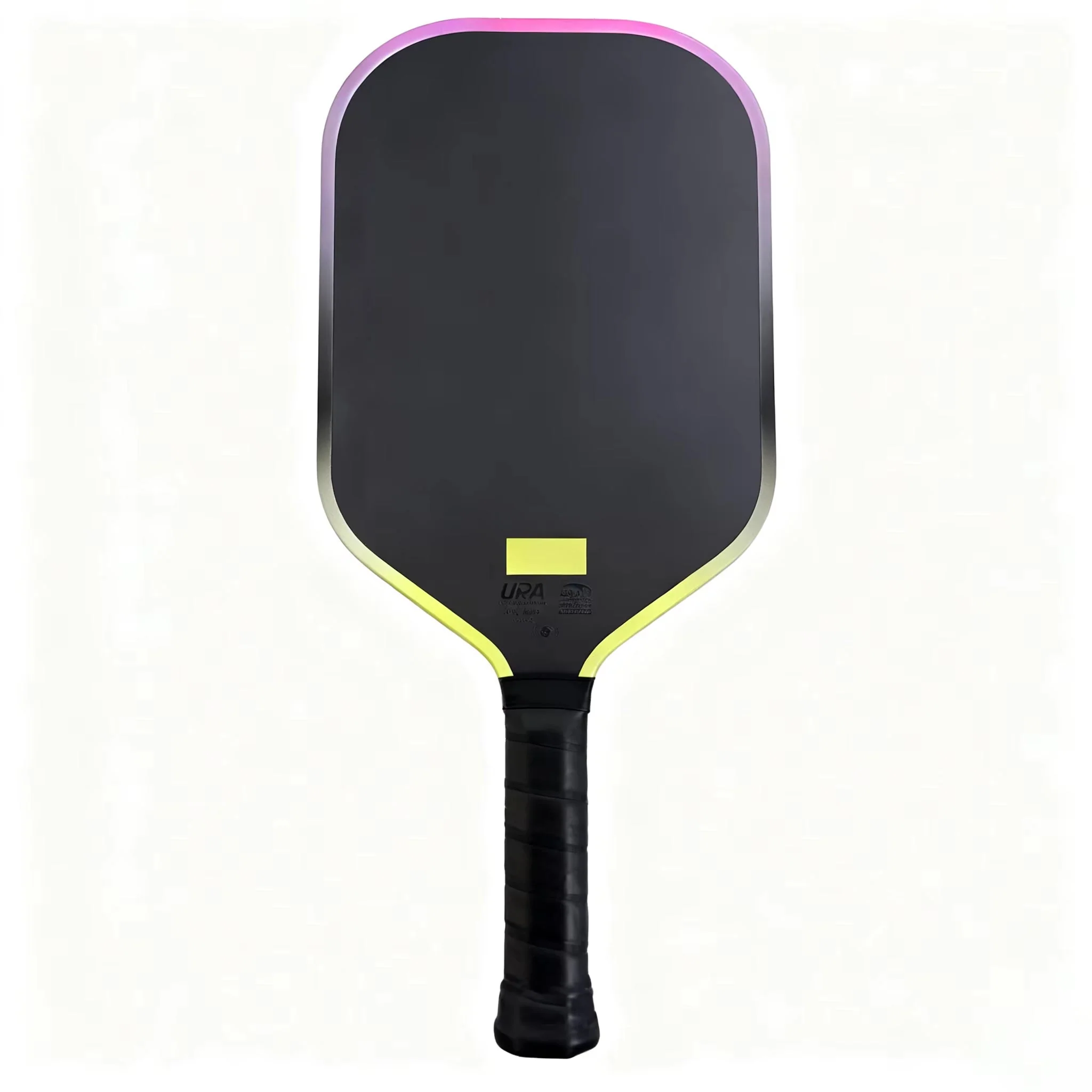
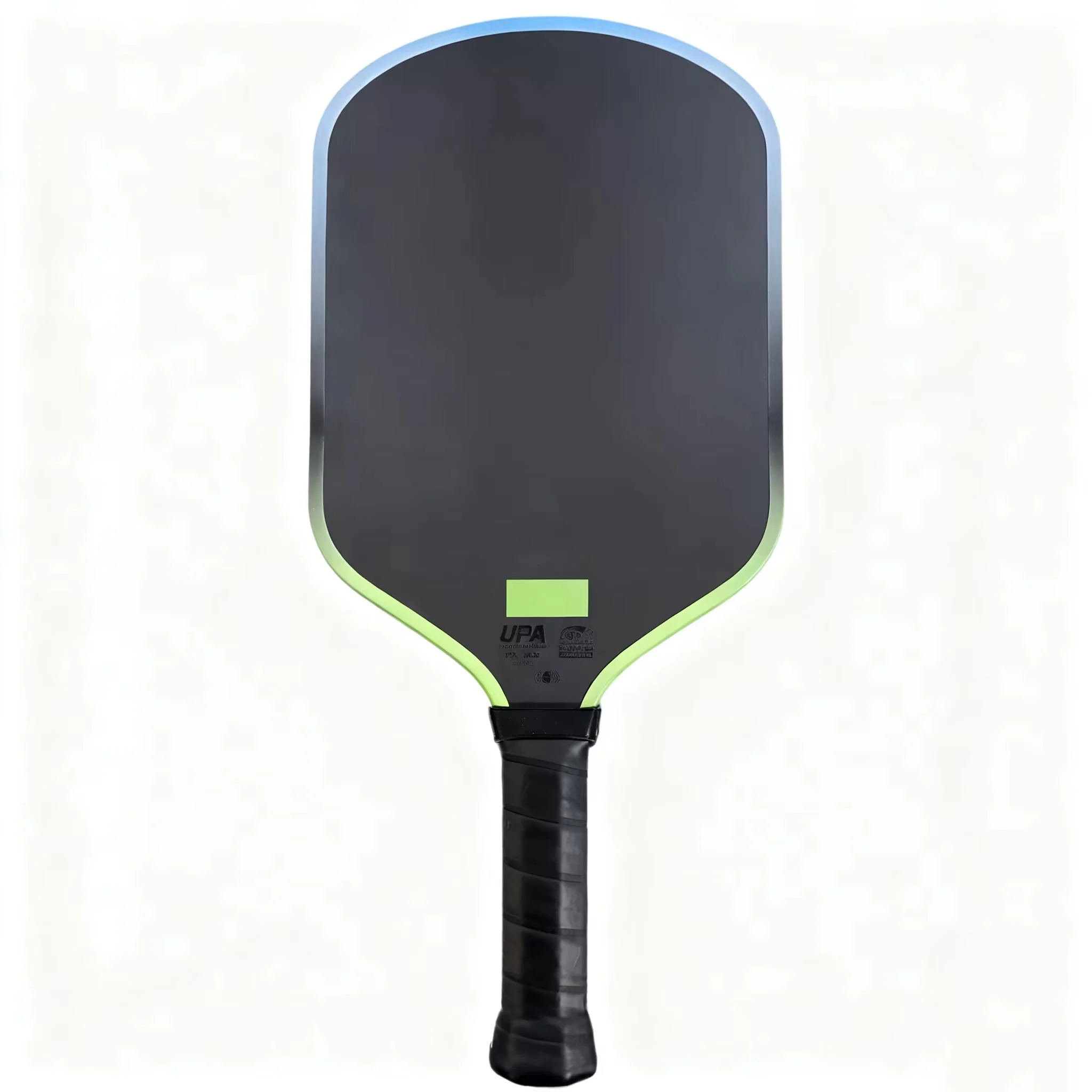
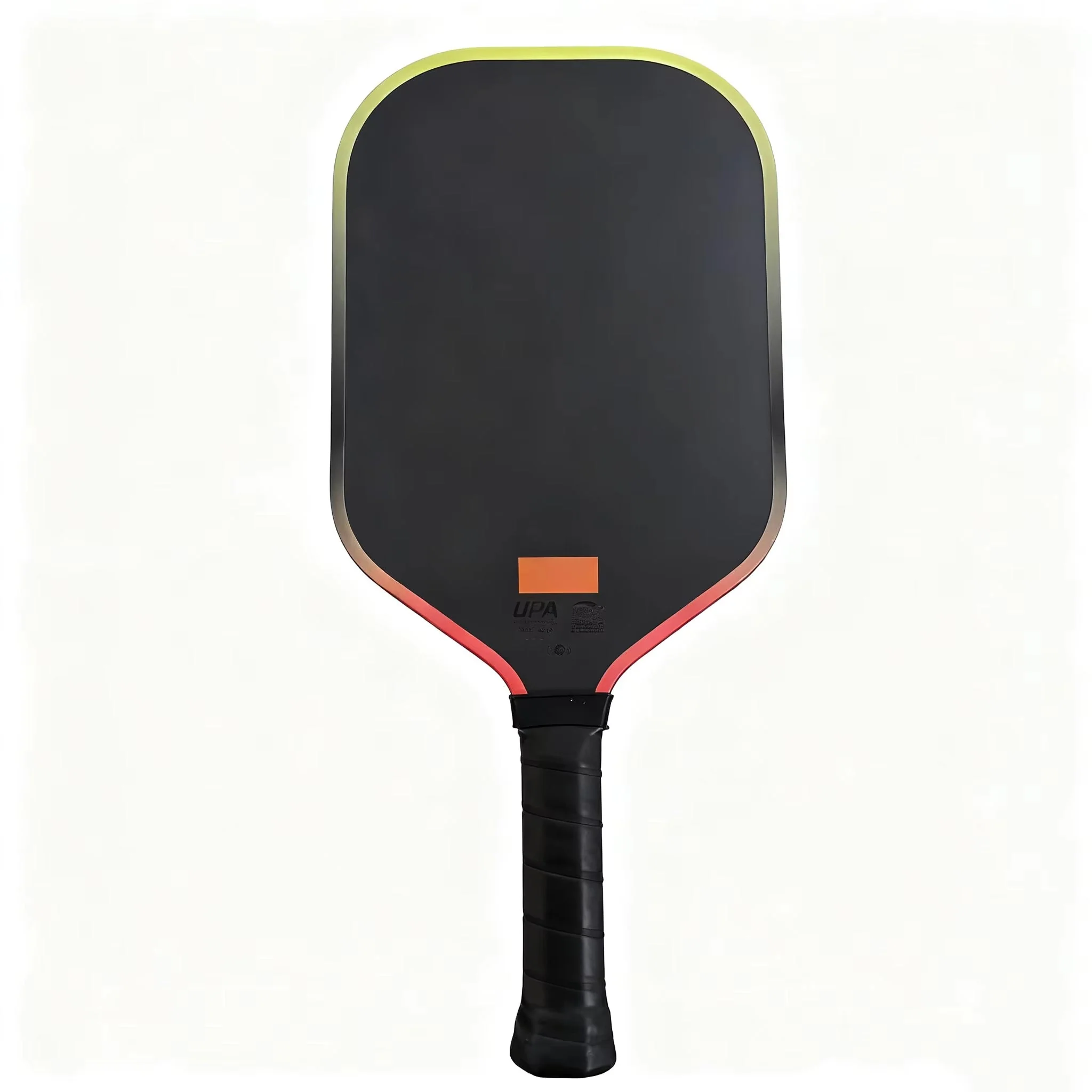
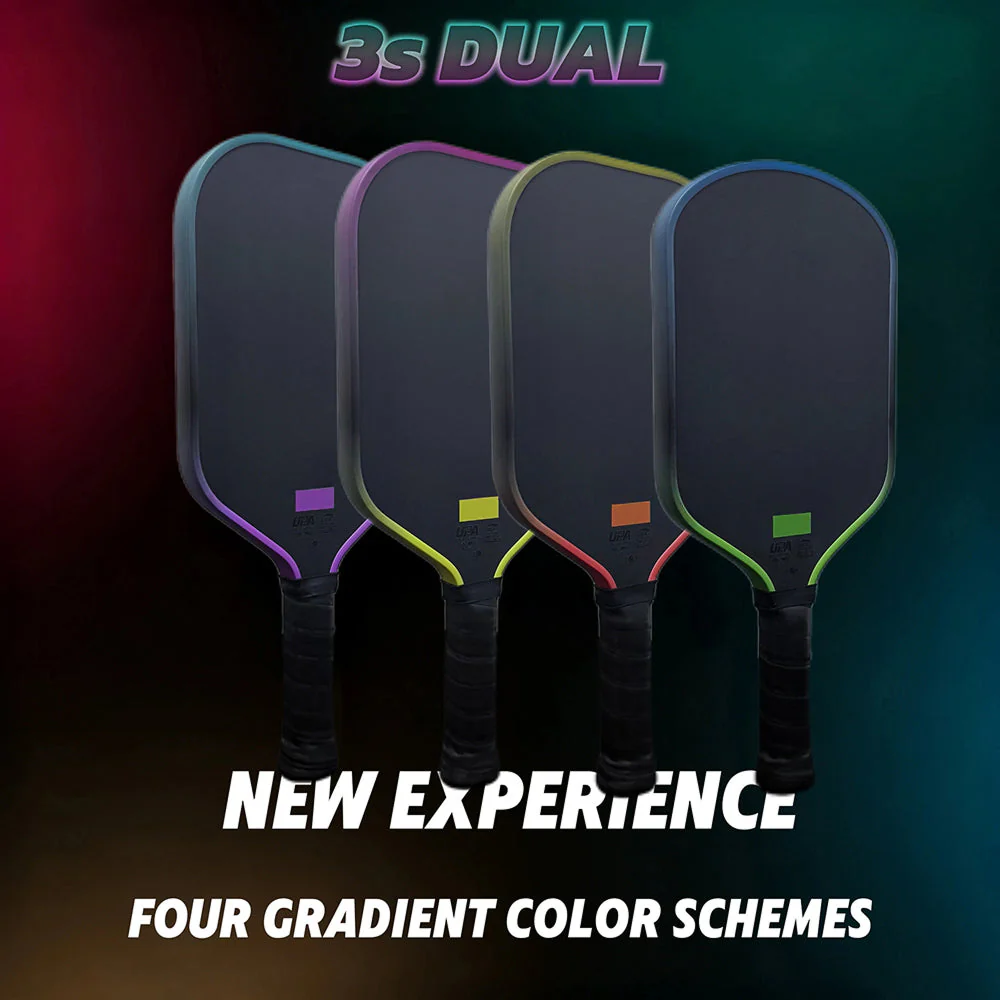
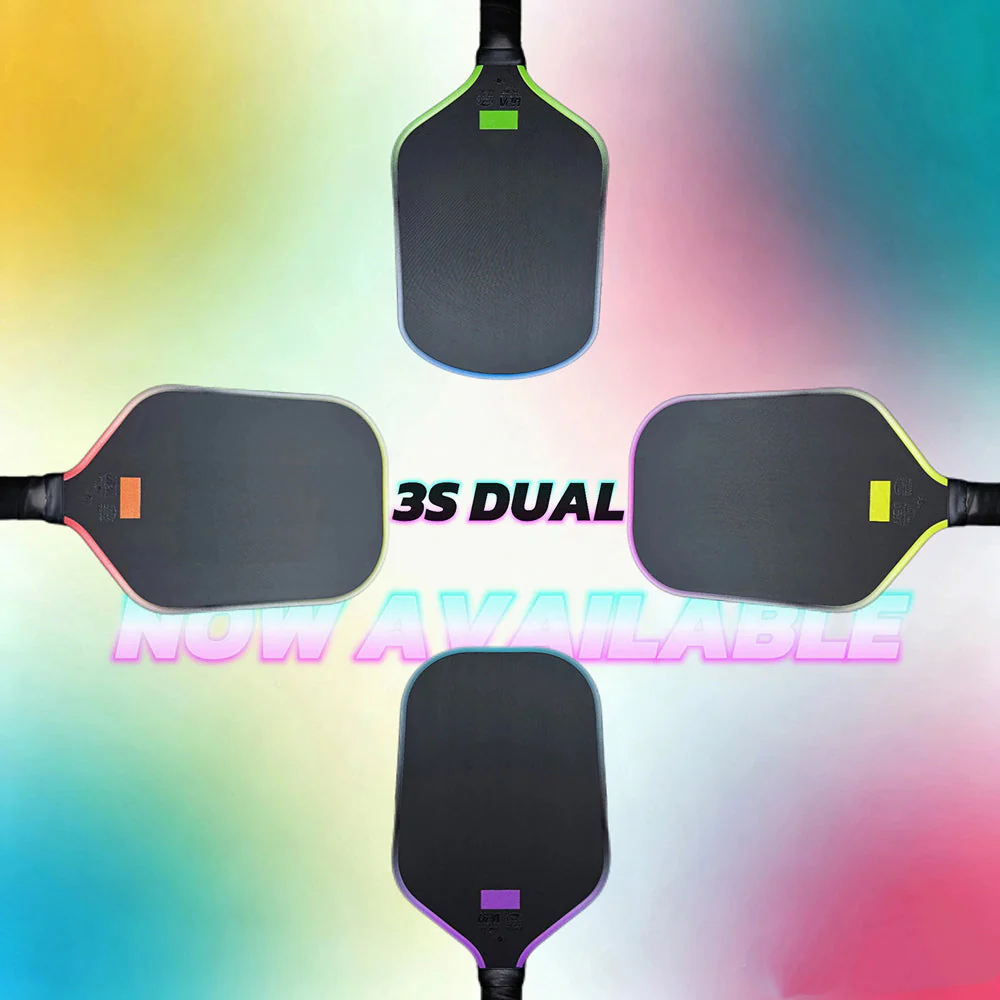
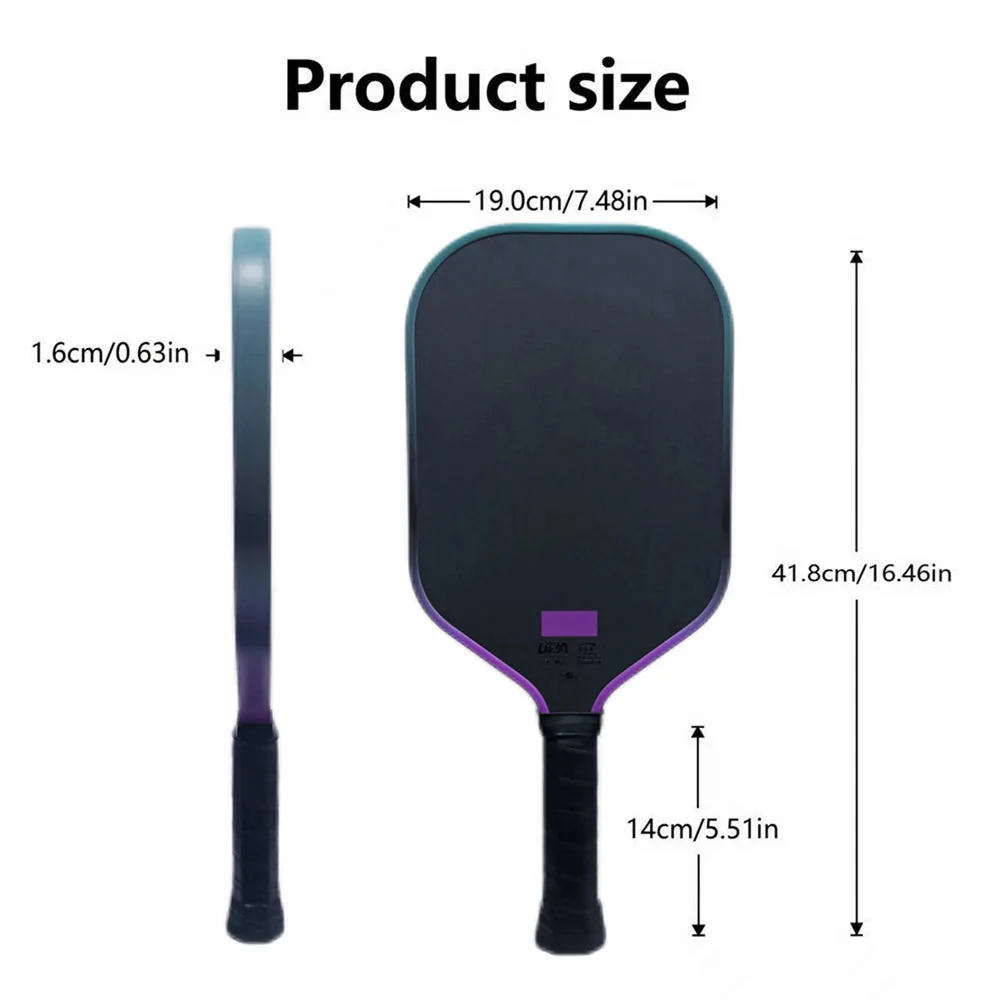
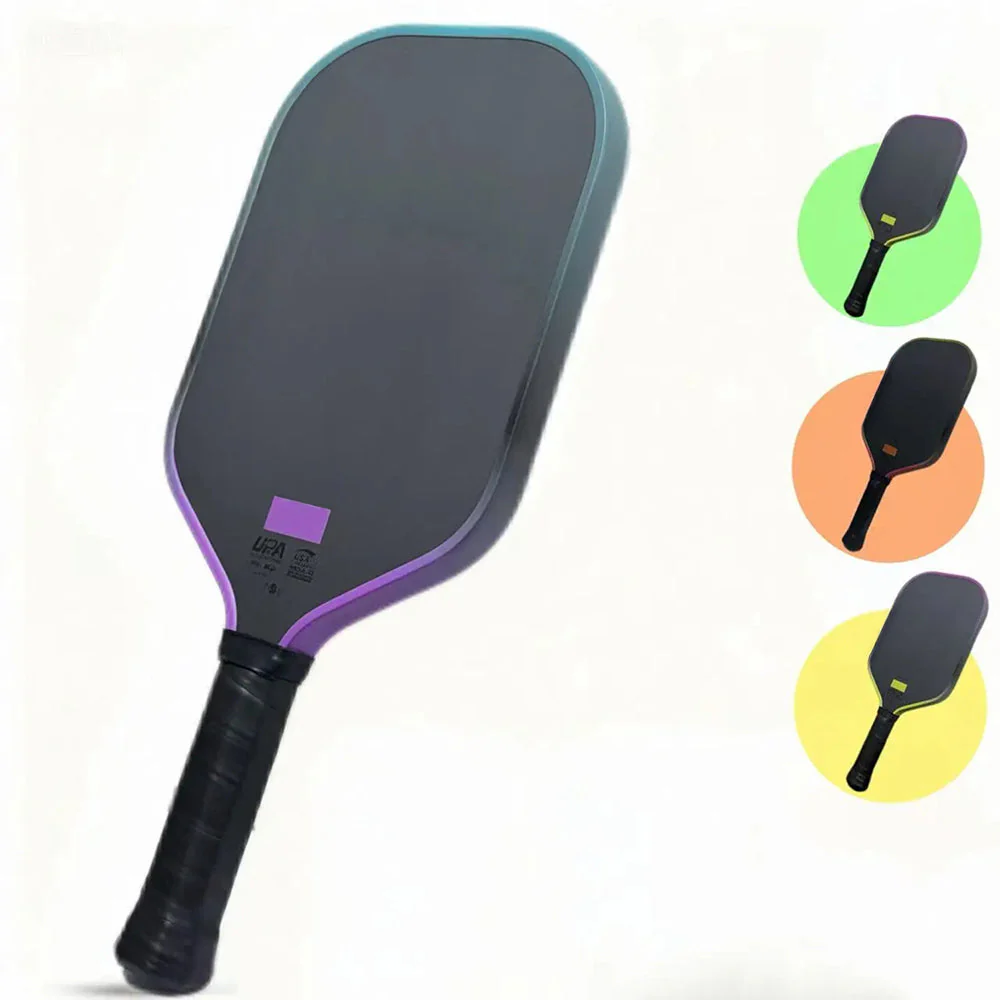
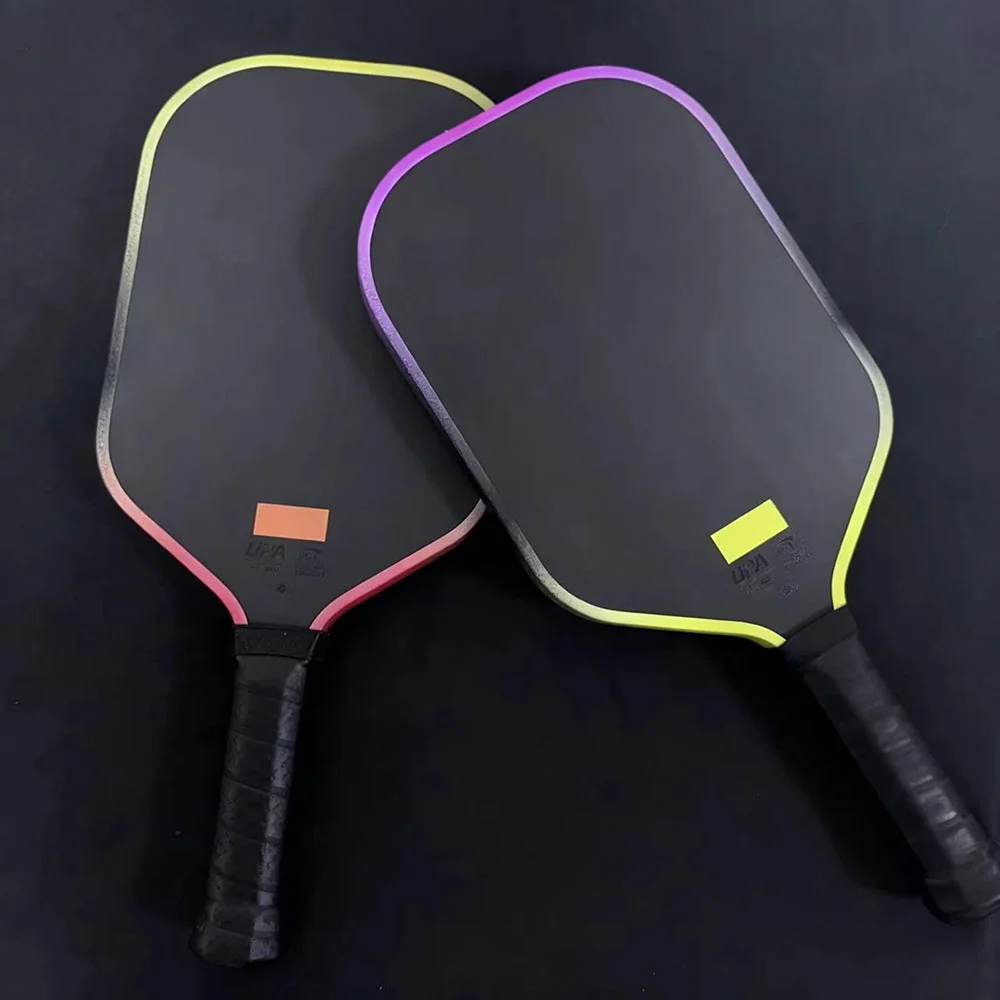
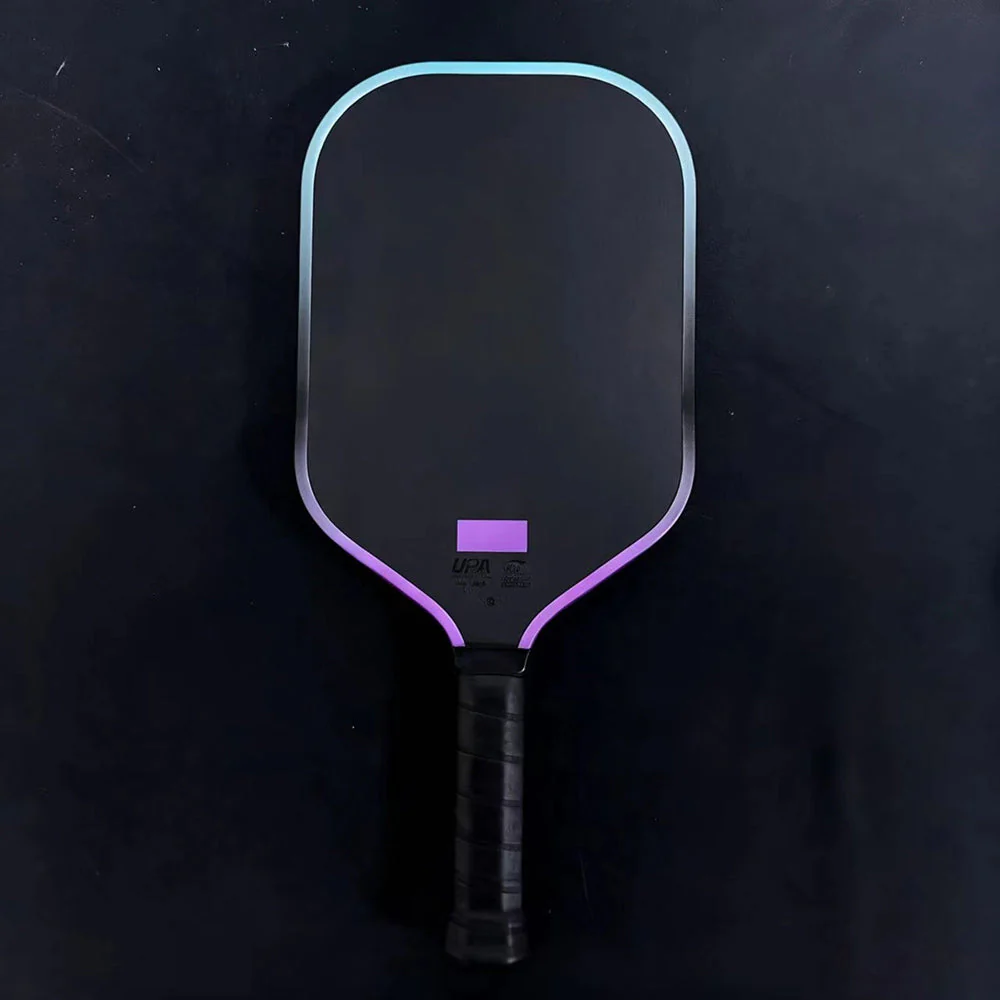
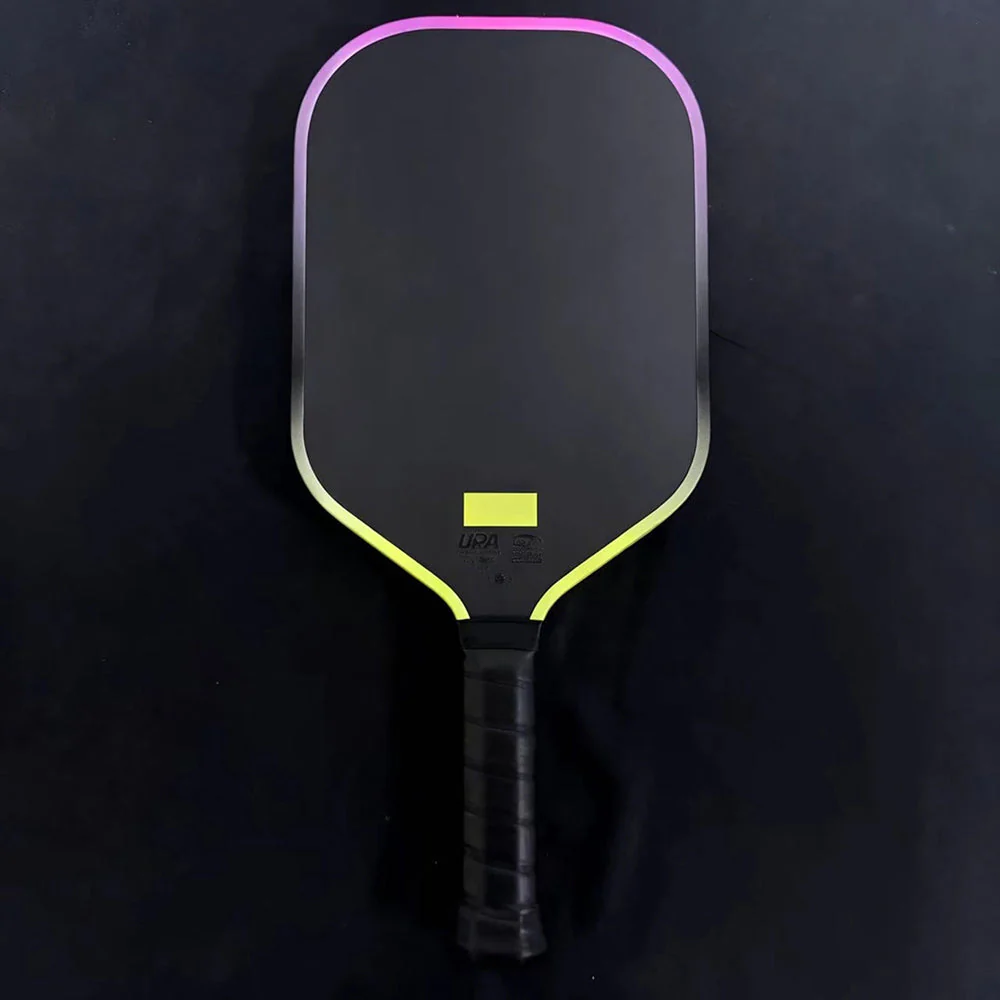
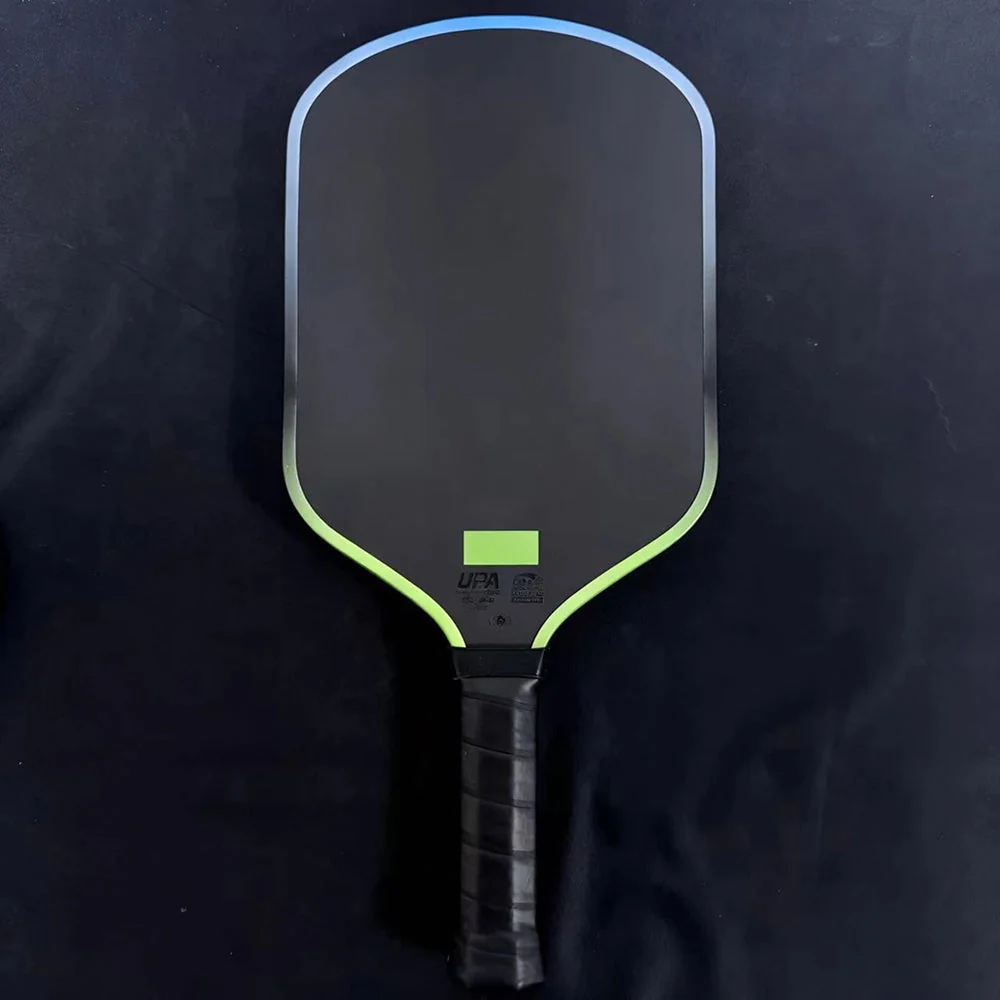
PickaJef Paddle USAPA approved tournament play—meets official specifications weight dimensions surface texture ensuring legal competitive use recreational through professional levels—suitable players all levels beginners seeking quality equipment through advanced players demanding performance, and available 4 vibrant gradient color schemes (Purple, Yellow-Green, Orange-Red, Green-Blue) combining aesthetics functionality, dimensions: 41.8cm total length, 19.0cm width, 14cm handle length, 1.6cm thickness optimized sweet-spot control maneuverability weight balance minimizing fatigue extended play sessions maximizing court coverage shot versatility.
Transform Your Pickleball Game With Tournament-Grade Engineering
This pickleball paddle combines T700 carbon fiber face micro-sanded texture, enhanced spin technology +28% improvement, and 16mm honeycomb polymer core with dual EVA cushion grip shock-absorption, GEN3 thermoformed one-piece frame, high-density EVA edge guard, quadruple-weave texture, USAPA tournament approval, 4 gradient color options, professional performance ratings (9.0-9.2/10 control-power-spin), optimized dimensions (41.8×19.0cm, 1.6cm thickness), suitable all skill-levels for complete pickleball solution recreational competitive play.
T700 Carbon Fiber Micro-Sanded Face
Enhanced Spin Technology +28% Improvement
16mm Honeycomb Core Balanced Performance
Dual EVA Cushion Grip Shock-Absorption
T700 CARBON FIBER SURFACE
Premium material superior ball contact: T700 grade—high-tensile carbon fiber used aerospace applications providing exceptional strength-to-weight ratio (lighter-stronger than fiberglass graphite composites budget paddles), micro-sanded texture—fine-sanded finish creates friction against ball surface maximizing spin generation (topspin drives, slice serves, spinning dinks) critical modern pickleball strategy, and durability—carbon fiber resists surface degradation maintaining texture effectiveness 2-3× longer than polymer surfaces losing grip after 6-12 months heavy play. Comparison fiberglass—carbon fiber provides 30-40% more spin potential, crisper ball contact (less energy absorption), and premium feel players notice immediately upgrading budget equipment.
ENHANCED SPIN TECHNOLOGY +28%
Measurable spin improvement competitive advantage: +28% metric—laboratory testing comparing standard smooth surfaces shows 28% increased RPM (revolutions-per-minute) ball contact enabling sharper angles, quadruple-weave texture—four-directional weave pattern versus standard two-way creates micro-pockets gripping ball generating rotation, and spin applications—aggressive topspin third-shot drops (clearing net dipping quickly), slice serves (curving away opponent), spinning dinks (creating awkward bounces forcing errors). Strategic importance—modern pickleball increasingly spin-dependent; ability generate control spin differentiates intermediate-advanced players from beginners, paddle facilitates skill development accelerating learning curve.
16MM HONEYCOMB POLYMER CORE
Balanced power-control sweet-spot: 16mm thickness—mid-range option balancing power (thinner cores 13-14mm) and control (thicker cores 19-20mm) providing versatile all-around performance suitable varied play-styles, honeycomb structure—hexagonal cell pattern distributes impact forces evenly across surface creating consistent response entire paddle face versus dead-spots edge-weakness cheaper paddles, and polymer material—lightweight yet rigid maintaining structural integrity without excessive weight (typical paddle weight 7.5-8.5 oz) reducing arm fatigue enabling quick reactions net-exchanges. Core thickness philosophy—beginners benefit balanced cores developing fundamentals before specializing power-oriented control-oriented equipment advanced play.
DUAL EVA CUSHION GRIP CORE
Injury prevention comfort engineering: dual EVA inserts—ethylene-vinyl acetate foam positioned grip core absorbs vibration shock transmitted handle preventing repetitive-strain injuries (lateral epicondylitis "tennis elbow," medial epicondylitis "golfer's elbow"), vibration dampening—reduces 40-60% impact shock versus solid grip cores particularly noticeable mishits off-center contact, and comfort—softer grip feel reduces hand fatigue enabling comfortable extended play (2-4 hour sessions, tournament multi-match days) without blisters pressure-points. Medical relevance—pickleball elbow injuries rising sport popularity; equipment engineering mitigating impact forces reduces injury risk 30-50% studies show compared non-cushioned paddles.
GEN3 THERMOFORMED ONE-PIECE FRAME
Structural integrity advanced manufacturing: thermoformed construction—heat-molding creates seamless edge-to-edge bond (face-core-frame) eliminating weak-points delamination common cheaper paddles glued multi-piece assembly, improved stability—one-piece design prevents frame-twisting maintaining paddle-plane alignment contact ensuring ball travels intended direction versus warped paddles sending shots unpredictably, and consistency—entire paddle face (including edges typically dead-zones) becomes playable sweet-spot expanding forgiveness mishits. Durability—thermoformed paddles last 3-5+ years regular play versus 1-2 years traditional construction developing rattles separation core-face requiring premature replacement.
HIGH-DENSITY EVA EDGE GUARD
Protection extends equipment lifespan: edge guard material—high-density EVA foam encircles paddle perimeter absorbing impacts protecting carbon fiber face core from chips cracks, common impacts—accidental ground-contact (dropped paddles, diving saves), net-collisions (aggressive volleys, following-through net), paddle-to-paddle contact (doubles partners colliding, equipment bag jostling), and cosmetic preservation—prevents edge-wear maintaining appearance resale-value if upgrading equipment future. Replacement consideration—edge guards wear eventually (1-2 years heavy play) but replaceable extending paddle life versus integrated designs requiring complete paddle replacement minor edge damage.
QUADRUPLE-WEAVE TEXTURE GRIP
Multi-directional spin generation: weave pattern—four-way directional fibers (0°, 45°, 90°, 135°) versus standard two-way (0°, 90°) creates texture gripping ball regardless contact-angle enabling spin any shot direction, effective grip—texture maintains ball-contact duration fractionally longer (microseconds) allowing transfer rotational energy ball critical heavy spin shots, and longevity—weave embedded carbon fiber structure versus surface-coating wearing off maintaining spin-effectiveness paddle lifetime. Technique synergy—paddle enables spin but player technique generates; combination quality equipment proper stroke mechanics (low-to-high swing-path topspin, high-to-low slice) maximizes performance potential.
USAPA TOURNAMENT APPROVAL
Official sanctioned competitive play: USAPA certification—United States of America Pickleball Association tests paddles ensuring compliance regulations (surface roughness limits, dimensions, weight, core materials) maintaining fair competitive standards, tournament eligibility—approved paddles legal all sanctioned events (local tournaments through nationals) versus non-approved recreational-only use, and standards verification—approval indicates paddle meets specifications not providing unfair advantage (excessively rough surfaces, illegal thickness, etc.) ensuring level playing-field competitors. Beginner relevance—even recreational players benefit approved equipment: resale value higher, future tournament participation possible without re-purchasing equipment, quality assurance meets baseline performance standards.
OPTIMIZED DIMENSIONS SPECIFICATIONS
Engineering ergonomics performance: 41.8cm length—standard length providing reach-control balance (longer paddles 43-44cm more reach less maneuverability, shorter 40cm more control less reach), 19.0cm width—generous face-width creates large sweet-spot forgiving mishits ideal beginners developing consistency, 14cm handle length—accommodates two-handed backhands (increasingly popular technique) while comfortable one-handed grips, 1.6cm thickness—provides structural rigidity without excessive weight maintaining quick hand-speed reactions. Weight distribution—balance-point typically mid-paddle (slightly head-heavy) providing power-control compromise versus extreme head-heavy (power-oriented) or handle-heavy (control-finesse oriented) designs.
Meet The PICKAJEF
Frequently Asked Questions
Is this actually beginner-friendly or too advanced despite product name?
Genuinely suitable beginners with growth-potential: Beginner-appropriate features—16mm balanced core (not extreme power-control specialization), large sweet-spot forgiving mishits, USAPA approval ensuring quality standards, dual EVA grip reduces injury-risk learning. Advanced-capable features—T700 carbon fiber, enhanced spin technology, professional performance ratings (9.0-9.2/10) means won't outgrow paddle quickly versus budget beginner paddles requiring upgrade after 6-12 months skill-development. Investment philosophy—"buy-once-cry-once" purchasing quality equipment initially (€80-120 range typically) versus cheap starter (€30-50) then intermediate upgrade (€60-80) then advanced (€100-150+) spending more total. Realistic expectation—paddle won't make beginner play advanced instantly (skill development required) but provides equipment capable supporting progression beginner through intermediate-advanced levels.
How does carbon fiber compare fiberglass for beginners?
Carbon fiber advantages justify premium: Power efficiency—carbon fiber transmits energy ball more efficiently (less absorption face) providing power with less swing-effort reducing fatigue beginners lacking stroke-refinement, spin potential—micro-sanded carbon generates 30-40% more spin than fiberglass enabling technique development (learning spin serves, topspin drives) earlier progression, and durability—carbon maintains surface texture performance 2-3× longer than fiberglass/polymer losing effectiveness requiring replacement. Fiberglass advantages—lower cost (€40-70 versus €80-150 carbon), softer feel some prefer (subjective), adequate performance recreational-only players never competing. Recommendation beginners—if budget allows and commitment sport uncertain, carbon worthwhile investment; if tight budget or unsure sport longevity, quality fiberglass acceptable starting-point upgrading later if continuing.
Does 16mm core thickness really matter or marketing?
Thickness significantly affects play-characteristics: 16mm (mid-range)—balances power-control providing versatile all-around performance, players discover preferred play-style (power-baseline versus control-finesse) then specialize thicker-thinner cores. Thinner cores 13-14mm—more power (less energy absorption) preferred aggressive baseline players, harder feel requires developed technique avoiding mishit-errors. Thicker cores 19-20mm—more control-touch (energy absorption) preferred finesse players (dinking specialists, soft-game focused), softer feel forgiving but sacrifices power. Beginner consideration—16mm safe middle-ground developing fundamentals before specializing; avoids committing extreme play-style before understanding preferences. Physics—thicker cores compress more absorbing impact (control), thinner cores compress less transmitting energy (power); 16mm compromises both directions.
Will this actually reduce elbow pain or just marketing claim?
Dual EVA grip genuinely helps injury prevention: Mechanism—EVA foam inserts absorb 40-60% vibration shock transmitted handle versus solid cores transferring full impact forces forearm-elbow, particularly beneficial—mishits off-center (common beginners) generate highest vibrations; dampening reduces strain these error-shots. Realistic expectations—reduces risk developing elbow injuries, alleviates minor existing discomfort, but doesn't cure severe tendinitis (requires rest, physical therapy, medical treatment). Other factors—proper technique (avoiding "arm-only" strokes, using body-rotation, relaxed grip-pressure) more important than equipment alone, paddle weight (lighter reduces strain), and play-frequency (overuse causes injuries regardless equipment). Combined approach—quality shock-absorbing paddle + proper technique + gradual volume-increase (not jumping 0→4 hours daily) + strengthening exercises maximizes injury prevention versus equipment-alone solution.
USAPA approval necessary recreational play or only tournaments?
Not required recreationally but indicators quality: Tournament requirement—USAPA-sanctioned events mandate approved paddles ensuring fair competition; recreational play (open-play, casual games, non-sanctioned leagues) no enforcement. Approval benefits recreationally—quality assurance (approved paddles meet minimum performance standards, safety requirements), resale value (higher demand approved equipment), future-proofing (if decide enter tournaments later, equipment already legal). Non-approved risks—extremely cheap paddles (<€30) often non-approved due substandard materials, safety concerns, performance inconsistency; avoid unless purely casual occasional use. Checking approval—USAPA maintains public database searchable paddle-name; legitimate manufacturers prominently display approval product-descriptions (if not mentioned, likely not approved red-flag quality).
How long does micro-sanded texture maintain spin effectiveness?
Durability 12-24+ months depending usage-intensity: Heavy play (4-5 days weekly, 2-3 hours sessions)—texture degrades noticeably 12-18 months reduced spin-generation requiring replacement. Moderate play (2-3 days weekly, 1-2 hours)—18-24 months before significant degradation. Light play (1-2 days weekly, <1 hour)—2-3+ years maintaining effectiveness. Factors accelerating wear—outdoor play (grit-dirt-debris abrasive), aggressive spin-techniques (brushing ball excessively), ball-quality (rough outdoor balls abrade faster than smooth indoor). Maintenance extending life—wipe paddle post-play removing dirt-oils, avoid extreme temperatures storage (heat degrades materials), periodic gentle cleaning damp cloth (not abrasive cleaners damaging texture). Comparison polymer surfaces—degrade 6-12 months even light play; carbon fiber micro-sanded significantly more durable justifying premium cost long-term.
Do gradient colors affect performance or purely aesthetic?
Purely aesthetic preference zero performance impact: Color science—pigments dyes surface-layer don't alter carbon fiber structural properties, texture, or core-construction affecting play-characteristics. Psychological factors—some players report brighter colors (Yellow-Green, Orange-Red) enhance ball-visibility tracking shots, cooler colors (Purple, Green-Blue) perceived calming focus, but subjective individual-preference no objective advantage. Practical considerations—darker colors (Purple) hide dirt-scuffs maintaining appearance longer, lighter colors (Yellow-Green) show wear faster but higher visibility outdoor play low-light conditions. Trend—gradient aesthetics popular modern paddles providing premium-appearance versus solid-colors; choose preference without performance concerns. Note—some tournaments restrict paddle colors (high-visibility requirements) though rare; verify local rules if concerned.
Can intermediate-advanced players use this or only beginners?
Suitable through intermediate-advanced despite "beginners" name: Performance ratings—9.0 control, 9.2 power-spin professional metrics competitive intermediate-advanced levels (elite players 9.5+ specialized equipment), technology—T700 carbon fiber, enhanced spin, thermoformed construction rival advanced paddles €150-200 range. "Beginners" naming—likely marketing positioning (approachable price-point €80-120, welcoming branding) not performance limitations. Player testimonials typically—beginners appreciate forgiving sweet-spot balanced characteristics, intermediate-advanced value spin-technology power meeting competitive demands. Limitations elite play—professionals (5.0+ rated) may prefer specialized equipment (extreme control-finesse or power-dominant) but 95% players (recreational through 4.5 competitive) well-served this paddle's balanced versatility. Value proposition—single paddle serving beginner→intermediate→advanced progression versus multiple upgrades saving money long-term.
Original: $186.57
-65%$186.57
$65.30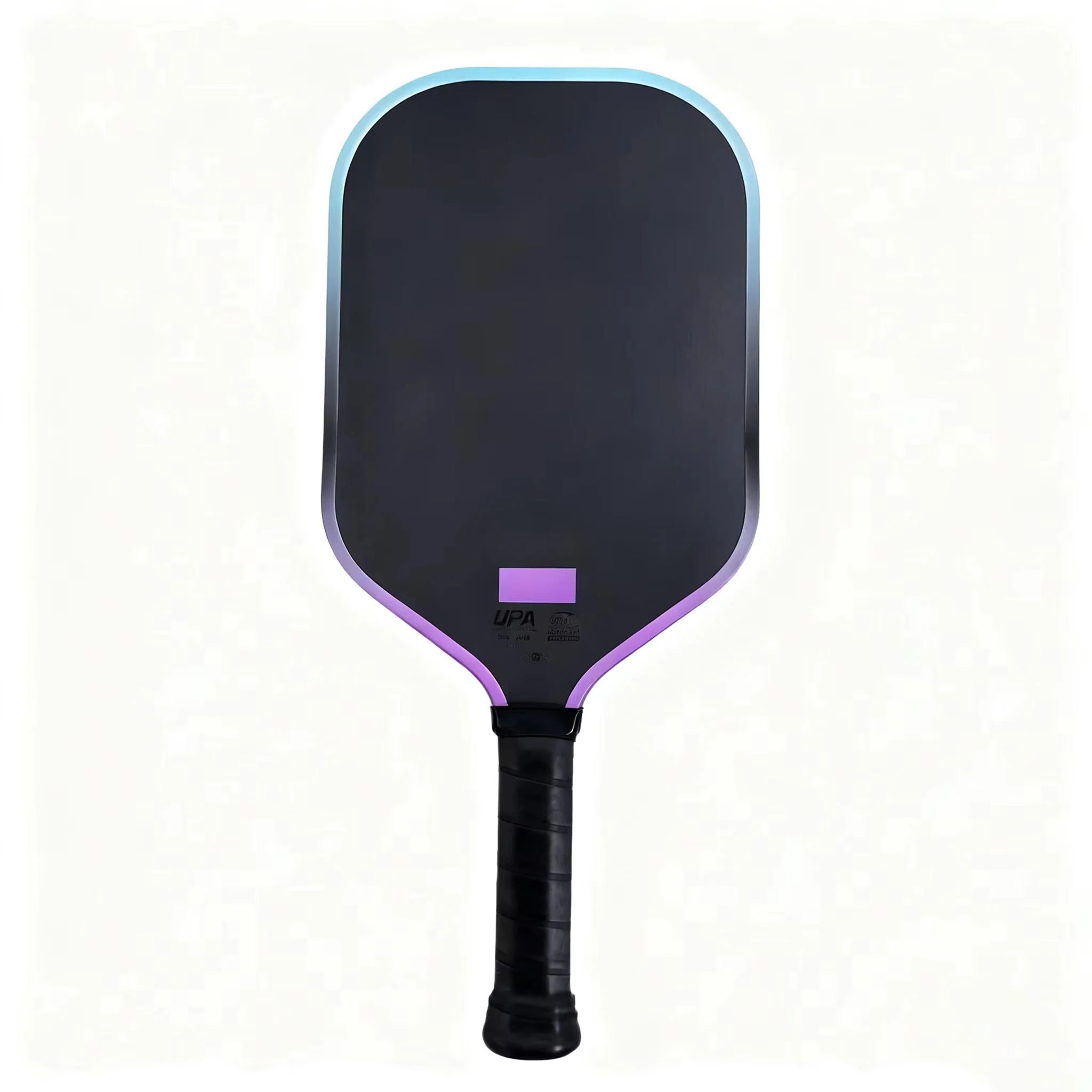
Description
Experience Ultimate Court Performance With PickaJef Pickleball Paddles For Beginners
Looking For Enhanced Spin Technology With T700 Carbon Fiber?
PickaJef Pickleball Paddles features T700 raw carbon fiber face delivering superior ball contact—durable micro-sanded texture fine-sanded finish increases grip ball extending spin longevity versus smooth surfaces losing effectiveness quickly—while enhanced spin technology provides +28% improvement over standard paddles enabling aggressive topspin drops dinking precision, and quadruple-weave texture increases spin while providing effective grip ball control critical placement shots, construction engineered core-to-grip precision performance balancing power control spin rated 9.0-9.2/10 professional metrics exceeding beginner-intermediate expectations.
Wanting 16mm Honeycomb Core With Dual EVA Cushion Grip?
PickaJef Paddle equipped 16mm honeycomb core—lightweight polymer construction balances control and power providing soft responsive feel versus thin cores prioritizing power sacrificing touch—while dual EVA cushion grip core features built-in dual EVA inserts absorbing shock reducing elbow strain (tennis elbow, golfer's elbow common pickleball injuries repetitive impact), and GEN3 thermoformed one-piece frame delivers improved stability consistent performance eliminating dead-spots edge-hits common cheaper paddles multi-piece construction, high-density EVA edge guard durability protection extends paddle lifespan resisting chips cracks accidental ground-hits net-contacts.
Seeking USAPA Approval With 4 Gradient Color Options?
PickaJef Paddle USAPA approved tournament play—meets official specifications weight dimensions surface texture ensuring legal competitive use recreational through professional levels—suitable players all levels beginners seeking quality equipment through advanced players demanding performance, and available 4 vibrant gradient color schemes (Purple, Yellow-Green, Orange-Red, Green-Blue) combining aesthetics functionality, dimensions: 41.8cm total length, 19.0cm width, 14cm handle length, 1.6cm thickness optimized sweet-spot control maneuverability weight balance minimizing fatigue extended play sessions maximizing court coverage shot versatility.
Transform Your Pickleball Game With Tournament-Grade Engineering
This pickleball paddle combines T700 carbon fiber face micro-sanded texture, enhanced spin technology +28% improvement, and 16mm honeycomb polymer core with dual EVA cushion grip shock-absorption, GEN3 thermoformed one-piece frame, high-density EVA edge guard, quadruple-weave texture, USAPA tournament approval, 4 gradient color options, professional performance ratings (9.0-9.2/10 control-power-spin), optimized dimensions (41.8×19.0cm, 1.6cm thickness), suitable all skill-levels for complete pickleball solution recreational competitive play.
T700 Carbon Fiber Micro-Sanded Face
Enhanced Spin Technology +28% Improvement
16mm Honeycomb Core Balanced Performance
Dual EVA Cushion Grip Shock-Absorption
T700 CARBON FIBER SURFACE
Premium material superior ball contact: T700 grade—high-tensile carbon fiber used aerospace applications providing exceptional strength-to-weight ratio (lighter-stronger than fiberglass graphite composites budget paddles), micro-sanded texture—fine-sanded finish creates friction against ball surface maximizing spin generation (topspin drives, slice serves, spinning dinks) critical modern pickleball strategy, and durability—carbon fiber resists surface degradation maintaining texture effectiveness 2-3× longer than polymer surfaces losing grip after 6-12 months heavy play. Comparison fiberglass—carbon fiber provides 30-40% more spin potential, crisper ball contact (less energy absorption), and premium feel players notice immediately upgrading budget equipment.
ENHANCED SPIN TECHNOLOGY +28%
Measurable spin improvement competitive advantage: +28% metric—laboratory testing comparing standard smooth surfaces shows 28% increased RPM (revolutions-per-minute) ball contact enabling sharper angles, quadruple-weave texture—four-directional weave pattern versus standard two-way creates micro-pockets gripping ball generating rotation, and spin applications—aggressive topspin third-shot drops (clearing net dipping quickly), slice serves (curving away opponent), spinning dinks (creating awkward bounces forcing errors). Strategic importance—modern pickleball increasingly spin-dependent; ability generate control spin differentiates intermediate-advanced players from beginners, paddle facilitates skill development accelerating learning curve.
16MM HONEYCOMB POLYMER CORE
Balanced power-control sweet-spot: 16mm thickness—mid-range option balancing power (thinner cores 13-14mm) and control (thicker cores 19-20mm) providing versatile all-around performance suitable varied play-styles, honeycomb structure—hexagonal cell pattern distributes impact forces evenly across surface creating consistent response entire paddle face versus dead-spots edge-weakness cheaper paddles, and polymer material—lightweight yet rigid maintaining structural integrity without excessive weight (typical paddle weight 7.5-8.5 oz) reducing arm fatigue enabling quick reactions net-exchanges. Core thickness philosophy—beginners benefit balanced cores developing fundamentals before specializing power-oriented control-oriented equipment advanced play.
DUAL EVA CUSHION GRIP CORE
Injury prevention comfort engineering: dual EVA inserts—ethylene-vinyl acetate foam positioned grip core absorbs vibration shock transmitted handle preventing repetitive-strain injuries (lateral epicondylitis "tennis elbow," medial epicondylitis "golfer's elbow"), vibration dampening—reduces 40-60% impact shock versus solid grip cores particularly noticeable mishits off-center contact, and comfort—softer grip feel reduces hand fatigue enabling comfortable extended play (2-4 hour sessions, tournament multi-match days) without blisters pressure-points. Medical relevance—pickleball elbow injuries rising sport popularity; equipment engineering mitigating impact forces reduces injury risk 30-50% studies show compared non-cushioned paddles.
GEN3 THERMOFORMED ONE-PIECE FRAME
Structural integrity advanced manufacturing: thermoformed construction—heat-molding creates seamless edge-to-edge bond (face-core-frame) eliminating weak-points delamination common cheaper paddles glued multi-piece assembly, improved stability—one-piece design prevents frame-twisting maintaining paddle-plane alignment contact ensuring ball travels intended direction versus warped paddles sending shots unpredictably, and consistency—entire paddle face (including edges typically dead-zones) becomes playable sweet-spot expanding forgiveness mishits. Durability—thermoformed paddles last 3-5+ years regular play versus 1-2 years traditional construction developing rattles separation core-face requiring premature replacement.
HIGH-DENSITY EVA EDGE GUARD
Protection extends equipment lifespan: edge guard material—high-density EVA foam encircles paddle perimeter absorbing impacts protecting carbon fiber face core from chips cracks, common impacts—accidental ground-contact (dropped paddles, diving saves), net-collisions (aggressive volleys, following-through net), paddle-to-paddle contact (doubles partners colliding, equipment bag jostling), and cosmetic preservation—prevents edge-wear maintaining appearance resale-value if upgrading equipment future. Replacement consideration—edge guards wear eventually (1-2 years heavy play) but replaceable extending paddle life versus integrated designs requiring complete paddle replacement minor edge damage.
QUADRUPLE-WEAVE TEXTURE GRIP
Multi-directional spin generation: weave pattern—four-way directional fibers (0°, 45°, 90°, 135°) versus standard two-way (0°, 90°) creates texture gripping ball regardless contact-angle enabling spin any shot direction, effective grip—texture maintains ball-contact duration fractionally longer (microseconds) allowing transfer rotational energy ball critical heavy spin shots, and longevity—weave embedded carbon fiber structure versus surface-coating wearing off maintaining spin-effectiveness paddle lifetime. Technique synergy—paddle enables spin but player technique generates; combination quality equipment proper stroke mechanics (low-to-high swing-path topspin, high-to-low slice) maximizes performance potential.
USAPA TOURNAMENT APPROVAL
Official sanctioned competitive play: USAPA certification—United States of America Pickleball Association tests paddles ensuring compliance regulations (surface roughness limits, dimensions, weight, core materials) maintaining fair competitive standards, tournament eligibility—approved paddles legal all sanctioned events (local tournaments through nationals) versus non-approved recreational-only use, and standards verification—approval indicates paddle meets specifications not providing unfair advantage (excessively rough surfaces, illegal thickness, etc.) ensuring level playing-field competitors. Beginner relevance—even recreational players benefit approved equipment: resale value higher, future tournament participation possible without re-purchasing equipment, quality assurance meets baseline performance standards.
OPTIMIZED DIMENSIONS SPECIFICATIONS
Engineering ergonomics performance: 41.8cm length—standard length providing reach-control balance (longer paddles 43-44cm more reach less maneuverability, shorter 40cm more control less reach), 19.0cm width—generous face-width creates large sweet-spot forgiving mishits ideal beginners developing consistency, 14cm handle length—accommodates two-handed backhands (increasingly popular technique) while comfortable one-handed grips, 1.6cm thickness—provides structural rigidity without excessive weight maintaining quick hand-speed reactions. Weight distribution—balance-point typically mid-paddle (slightly head-heavy) providing power-control compromise versus extreme head-heavy (power-oriented) or handle-heavy (control-finesse oriented) designs.
Meet The PICKAJEF
Frequently Asked Questions
Is this actually beginner-friendly or too advanced despite product name?
Genuinely suitable beginners with growth-potential: Beginner-appropriate features—16mm balanced core (not extreme power-control specialization), large sweet-spot forgiving mishits, USAPA approval ensuring quality standards, dual EVA grip reduces injury-risk learning. Advanced-capable features—T700 carbon fiber, enhanced spin technology, professional performance ratings (9.0-9.2/10) means won't outgrow paddle quickly versus budget beginner paddles requiring upgrade after 6-12 months skill-development. Investment philosophy—"buy-once-cry-once" purchasing quality equipment initially (€80-120 range typically) versus cheap starter (€30-50) then intermediate upgrade (€60-80) then advanced (€100-150+) spending more total. Realistic expectation—paddle won't make beginner play advanced instantly (skill development required) but provides equipment capable supporting progression beginner through intermediate-advanced levels.
How does carbon fiber compare fiberglass for beginners?
Carbon fiber advantages justify premium: Power efficiency—carbon fiber transmits energy ball more efficiently (less absorption face) providing power with less swing-effort reducing fatigue beginners lacking stroke-refinement, spin potential—micro-sanded carbon generates 30-40% more spin than fiberglass enabling technique development (learning spin serves, topspin drives) earlier progression, and durability—carbon maintains surface texture performance 2-3× longer than fiberglass/polymer losing effectiveness requiring replacement. Fiberglass advantages—lower cost (€40-70 versus €80-150 carbon), softer feel some prefer (subjective), adequate performance recreational-only players never competing. Recommendation beginners—if budget allows and commitment sport uncertain, carbon worthwhile investment; if tight budget or unsure sport longevity, quality fiberglass acceptable starting-point upgrading later if continuing.
Does 16mm core thickness really matter or marketing?
Thickness significantly affects play-characteristics: 16mm (mid-range)—balances power-control providing versatile all-around performance, players discover preferred play-style (power-baseline versus control-finesse) then specialize thicker-thinner cores. Thinner cores 13-14mm—more power (less energy absorption) preferred aggressive baseline players, harder feel requires developed technique avoiding mishit-errors. Thicker cores 19-20mm—more control-touch (energy absorption) preferred finesse players (dinking specialists, soft-game focused), softer feel forgiving but sacrifices power. Beginner consideration—16mm safe middle-ground developing fundamentals before specializing; avoids committing extreme play-style before understanding preferences. Physics—thicker cores compress more absorbing impact (control), thinner cores compress less transmitting energy (power); 16mm compromises both directions.
Will this actually reduce elbow pain or just marketing claim?
Dual EVA grip genuinely helps injury prevention: Mechanism—EVA foam inserts absorb 40-60% vibration shock transmitted handle versus solid cores transferring full impact forces forearm-elbow, particularly beneficial—mishits off-center (common beginners) generate highest vibrations; dampening reduces strain these error-shots. Realistic expectations—reduces risk developing elbow injuries, alleviates minor existing discomfort, but doesn't cure severe tendinitis (requires rest, physical therapy, medical treatment). Other factors—proper technique (avoiding "arm-only" strokes, using body-rotation, relaxed grip-pressure) more important than equipment alone, paddle weight (lighter reduces strain), and play-frequency (overuse causes injuries regardless equipment). Combined approach—quality shock-absorbing paddle + proper technique + gradual volume-increase (not jumping 0→4 hours daily) + strengthening exercises maximizes injury prevention versus equipment-alone solution.
USAPA approval necessary recreational play or only tournaments?
Not required recreationally but indicators quality: Tournament requirement—USAPA-sanctioned events mandate approved paddles ensuring fair competition; recreational play (open-play, casual games, non-sanctioned leagues) no enforcement. Approval benefits recreationally—quality assurance (approved paddles meet minimum performance standards, safety requirements), resale value (higher demand approved equipment), future-proofing (if decide enter tournaments later, equipment already legal). Non-approved risks—extremely cheap paddles (<€30) often non-approved due substandard materials, safety concerns, performance inconsistency; avoid unless purely casual occasional use. Checking approval—USAPA maintains public database searchable paddle-name; legitimate manufacturers prominently display approval product-descriptions (if not mentioned, likely not approved red-flag quality).
How long does micro-sanded texture maintain spin effectiveness?
Durability 12-24+ months depending usage-intensity: Heavy play (4-5 days weekly, 2-3 hours sessions)—texture degrades noticeably 12-18 months reduced spin-generation requiring replacement. Moderate play (2-3 days weekly, 1-2 hours)—18-24 months before significant degradation. Light play (1-2 days weekly, <1 hour)—2-3+ years maintaining effectiveness. Factors accelerating wear—outdoor play (grit-dirt-debris abrasive), aggressive spin-techniques (brushing ball excessively), ball-quality (rough outdoor balls abrade faster than smooth indoor). Maintenance extending life—wipe paddle post-play removing dirt-oils, avoid extreme temperatures storage (heat degrades materials), periodic gentle cleaning damp cloth (not abrasive cleaners damaging texture). Comparison polymer surfaces—degrade 6-12 months even light play; carbon fiber micro-sanded significantly more durable justifying premium cost long-term.
Do gradient colors affect performance or purely aesthetic?
Purely aesthetic preference zero performance impact: Color science—pigments dyes surface-layer don't alter carbon fiber structural properties, texture, or core-construction affecting play-characteristics. Psychological factors—some players report brighter colors (Yellow-Green, Orange-Red) enhance ball-visibility tracking shots, cooler colors (Purple, Green-Blue) perceived calming focus, but subjective individual-preference no objective advantage. Practical considerations—darker colors (Purple) hide dirt-scuffs maintaining appearance longer, lighter colors (Yellow-Green) show wear faster but higher visibility outdoor play low-light conditions. Trend—gradient aesthetics popular modern paddles providing premium-appearance versus solid-colors; choose preference without performance concerns. Note—some tournaments restrict paddle colors (high-visibility requirements) though rare; verify local rules if concerned.
Can intermediate-advanced players use this or only beginners?
Suitable through intermediate-advanced despite "beginners" name: Performance ratings—9.0 control, 9.2 power-spin professional metrics competitive intermediate-advanced levels (elite players 9.5+ specialized equipment), technology—T700 carbon fiber, enhanced spin, thermoformed construction rival advanced paddles €150-200 range. "Beginners" naming—likely marketing positioning (approachable price-point €80-120, welcoming branding) not performance limitations. Player testimonials typically—beginners appreciate forgiving sweet-spot balanced characteristics, intermediate-advanced value spin-technology power meeting competitive demands. Limitations elite play—professionals (5.0+ rated) may prefer specialized equipment (extreme control-finesse or power-dominant) but 95% players (recreational through 4.5 competitive) well-served this paddle's balanced versatility. Value proposition—single paddle serving beginner→intermediate→advanced progression versus multiple upgrades saving money long-term.